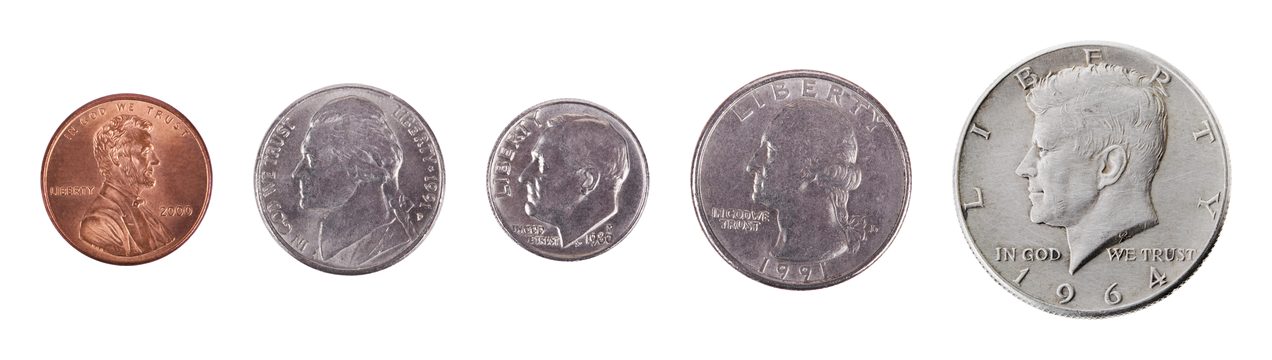
Why Cash Is the Best Way to Teach Kids About Money
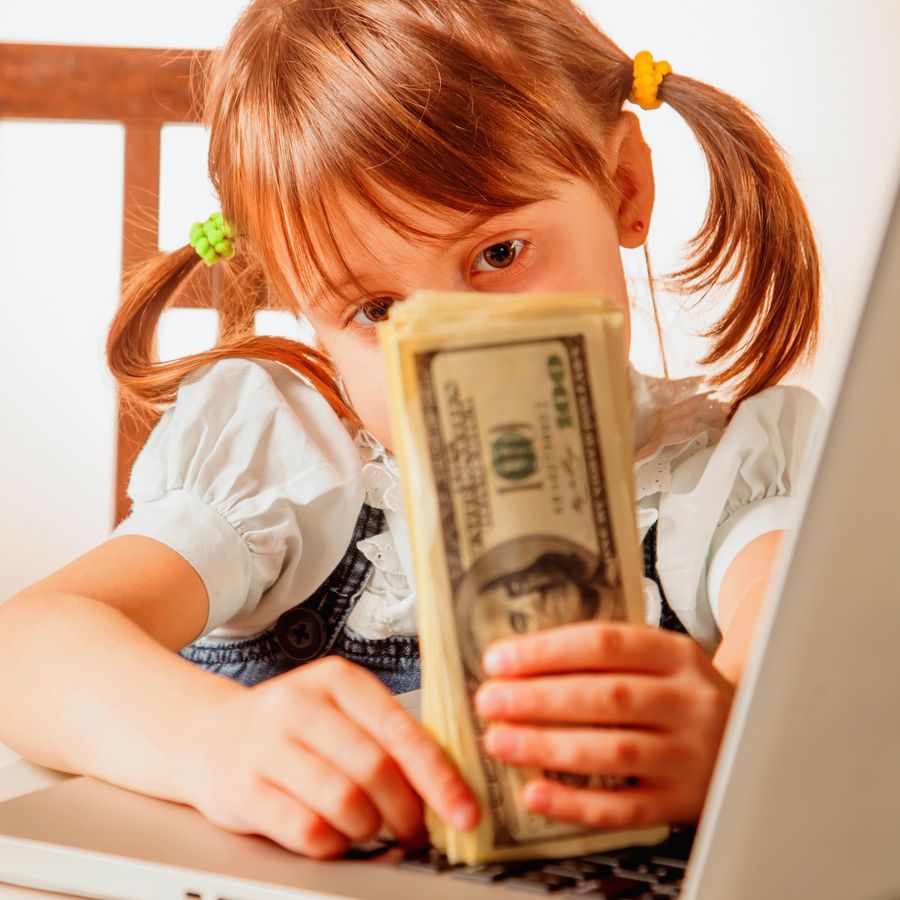
Children learn about money by watching it move. When a parent pays with cash, a child sees bills leave a wallet and change come back. When a parent taps a card or a phone, the money is invisible. Nothing leaves, nothing comes back, and the groceries appear anyway. That is why cash, and play money that works like cash, is still the best teacher.
Five reasons cash teaches better
1. You can see it run out
A wallet with three bills in it has a visible limit. When they are gone, they are gone. A card has no visible limit at all, which is exactly why young children sometimes think a card means unlimited money.
2. Spending feels like spending
Handing over a twenty-dollar bill feels different from tapping a phone. Many adults notice that they spend more freely with cards, and kids are no different. That small moment of "letting go" helps children think before they buy.
3. Counting builds math skills
Counting bills, adding prices, and checking change practice addition, subtraction, and place value in a way worksheets cannot match. See money math for kids for activities.
4. Value becomes concrete
Ten one-dollar bills in a hand feel like a lot. When a toy costs all ten, a child can literally see that it costs everything they have. That is a powerful lesson in value.
5. Mistakes are small and visible
If a child loses a dollar or spends it too fast, the result is right there in the empty envelope. With digital money, the same mistake is hidden until a statement arrives.
How to use cash with kids
- Let them pay. At the store or the library book sale, hand your child the money and let them complete the purchase and check the change.
- Use envelopes. Give older kids a monthly envelope for a category, like snacks or school lunches. What is left at the end of the month is theirs to keep.
- Count it together. Make a game of counting the family's grocery cash or the coins in a jar.
- Practice at home first. Play money in a pretend store gives kids hundreds of "transactions" before they handle real cash.
Play money as practice cash
Real cash is not always practical, especially for young children who lose things. Play money gives them the same visible, countable experience without the risk. Bills with a familiar face and your family's bank name feel real enough to care about. Make a set in the play money creator and use it for a pretend store, a family bank, or chore bucks.
Bridging to digital money
Cash is the starting point, not the finish line. As children grow, show them how digital money works using what they already understand:
- A debit card is an envelope you cannot see. The money comes from an account with a limit, just like an envelope.
- A credit card is borrowing. The bank pays the store, and you pay the bank back later, often with extra if you wait too long.
- Apps still need a plan. Show a teen your banking app, how to check a balance before buying, and how to spot a purchase they do not recognize.
Kids who learned with cash first tend to understand these ideas faster, because they already know that money is limited and every purchase takes something away.
This page is general education for families and classrooms, not personal financial or investment advice. Example numbers are for illustration only.
Frequently asked questions
Is cash still relevant when so much is digital?
Yes, for teaching. Cash makes the abstract idea of money concrete. Children who learn with cash first usually understand digital balances more easily later.
When should a child get a debit card?
Many families wait until the early teen years, once a child can manage cash and keep a simple budget on their own.
Is play money as good as real cash for learning?
For young children it is often better, because you control what it buys and losing a bill is no big deal.