Teaching Kids Saving, Investing, and Compound Interest
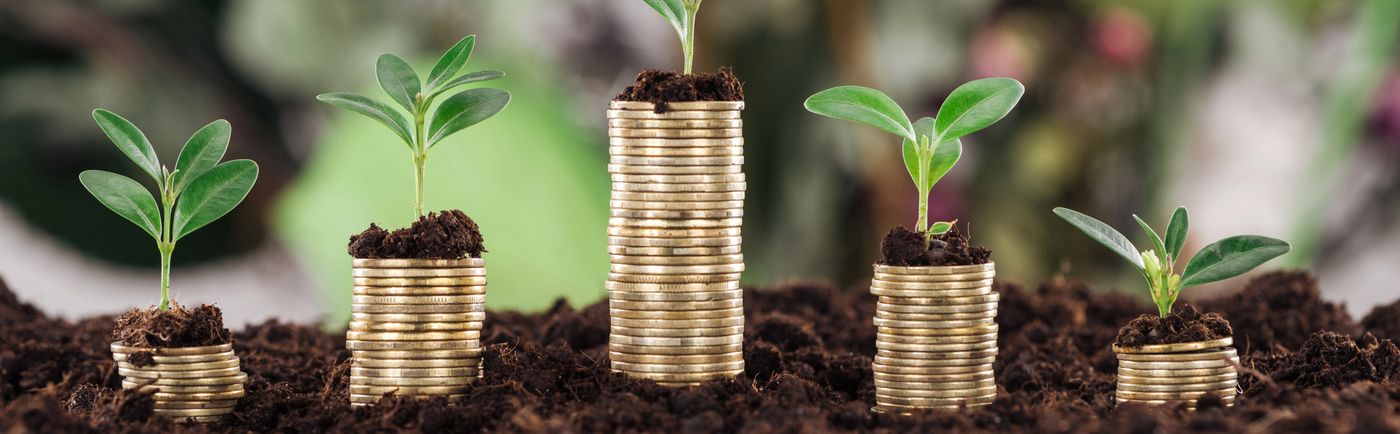
Compound interest is often called one of the most powerful ideas in money, and it is surprisingly easy to teach. Money that is saved can earn interest, and then that interest earns interest too. Given enough time, the growth snowballs. Children who understand this early have time, the most important ingredient, on their side.
Saving and investing: what is the difference?
- Saving means setting money aside somewhere safe, like a piggy bank or a savings account. It is there when you need it and it grows slowly, if at all.
- Investing means using money to buy something that may grow in value over time, such as a small piece of a company (a stock) or a loan to a government (a bond). It can grow much faster, but the value goes up and down along the way.
A simple rule for kids: save for things you want soon, and invest for things that are many years away.
Compound interest, explained simply
Imagine rolling a snowball down a hill. At first it is small and picks up a little snow. But the bigger it gets, the more snow it picks up with each turn. Money with compound interest works the same way. In the first year, interest is earned on the money you put in. In the second year, interest is earned on the money and on last year's interest. Each year the pile is bigger, so each year's interest is bigger too.
In the chart, $1,000 invested once at an example rate of 7% a year grows to about $1,967 after 10 years, $3,870 after 20, and $14,974 after 40, without adding another dollar. The same $1,000 in a drawer is still $1,000. Notice how the line curves upward: the growth in the last ten years is larger than in the first thirty combined.
The early start story
Tell this story to older kids and teens. Two friends each invest $2,000 a year, earning an example 7% a year.
| Early Emma | Late Liam | |
|---|---|---|
| Starts investing at | 25 | 35 |
| Stops at | 35 (then never adds again) | 65 |
| Years of deposits | 10 | 30 |
| Total put in | $20,000 | $60,000 |
| Value at 65 | $225,073 | $202,146 |
Emma put in a third as much money but ends up with more, because her money had ten extra years to grow. That is the power of starting early, and it is the single best reason to teach this lesson now.
The Rule of 72
A handy shortcut: divide 72 by the yearly growth rate to estimate how many years it takes money to double. At 6%, money doubles in about 12 years. At 8%, about 9 years. At 7%, a little over 10 years. Kids enjoy testing it with a calculator.
Activity: the family bank pays interest
The best way to feel compound interest is to earn it. Offer your child a family bank account in play money that pays a generous rate, such as 10% a month on whatever they leave in it. Pay interest on the same day every month and let them count the new balance. Starting with 20 dollars:
| Month | Interest | Balance |
|---|---|---|
| 1 | $2 | $22 |
| 2 | $2 | $24 |
| 3 | $2 | $26 |
| 4 | $3 | $29 |
| ... | ||
| 12 | $6 | $63 |
After a year, 20 dollars becomes $63. Ask: "Why did you earn more interest in month 12 than in month 1?" When they answer "because I had more money," they have understood compounding. Print your bank's money in the play money creator, and read the full setup in our family bank guide.
Activity: a pretend investing game
- Give your child 100 dollars in play money to "invest" in two or three companies whose products they know.
- Once a week, look up how each stock price changed together, and update their play money balance by the same percentage.
- After two or three months, talk about what happened. Did everything go up? Did splitting money across several companies help?
This teaches that investments rise and fall, that spreading money out (diversification) lowers the bumps, and that patience usually matters more than picking a winner.
Borrowing is compound interest in reverse
Finish by showing the other side. When you borrow on a credit card and do not pay it off, interest is charged on the interest, and the debt snowballs instead of the savings. Understanding both directions is what makes compound interest a life skill.
This page is general education for families and classrooms, not personal financial or investment advice. Example numbers are for illustration only.
Frequently asked questions
What age can kids understand compound interest?
Most children can grasp the idea by 7 or 8 with a hands-on activity like the family bank. The math behind it suits ages 10 and up.
Can a child open an investment account?
Minors usually need an adult to open a custodial account for them. A savings account is a good first step for younger children.
Is 7% a guaranteed return?
No. It is an example used to show how growth works. Real investments go up and down, and past results do not promise future ones.